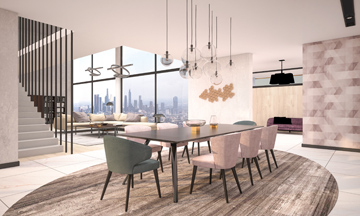
As we move into 2026, interior design is shifting away from the stark, “cold minimalism” of previous years, and embracing warmth, personality, nature, and comfort. Homes are becoming more about living experiences than just looks: tactile materials, organic forms, sustainability, wellness, and emotional resonance are defining what “modern home” means. With that in mind, here are the biggest interior design trends to watch (and maybe already start using).
Layered Textures & Material Drenching
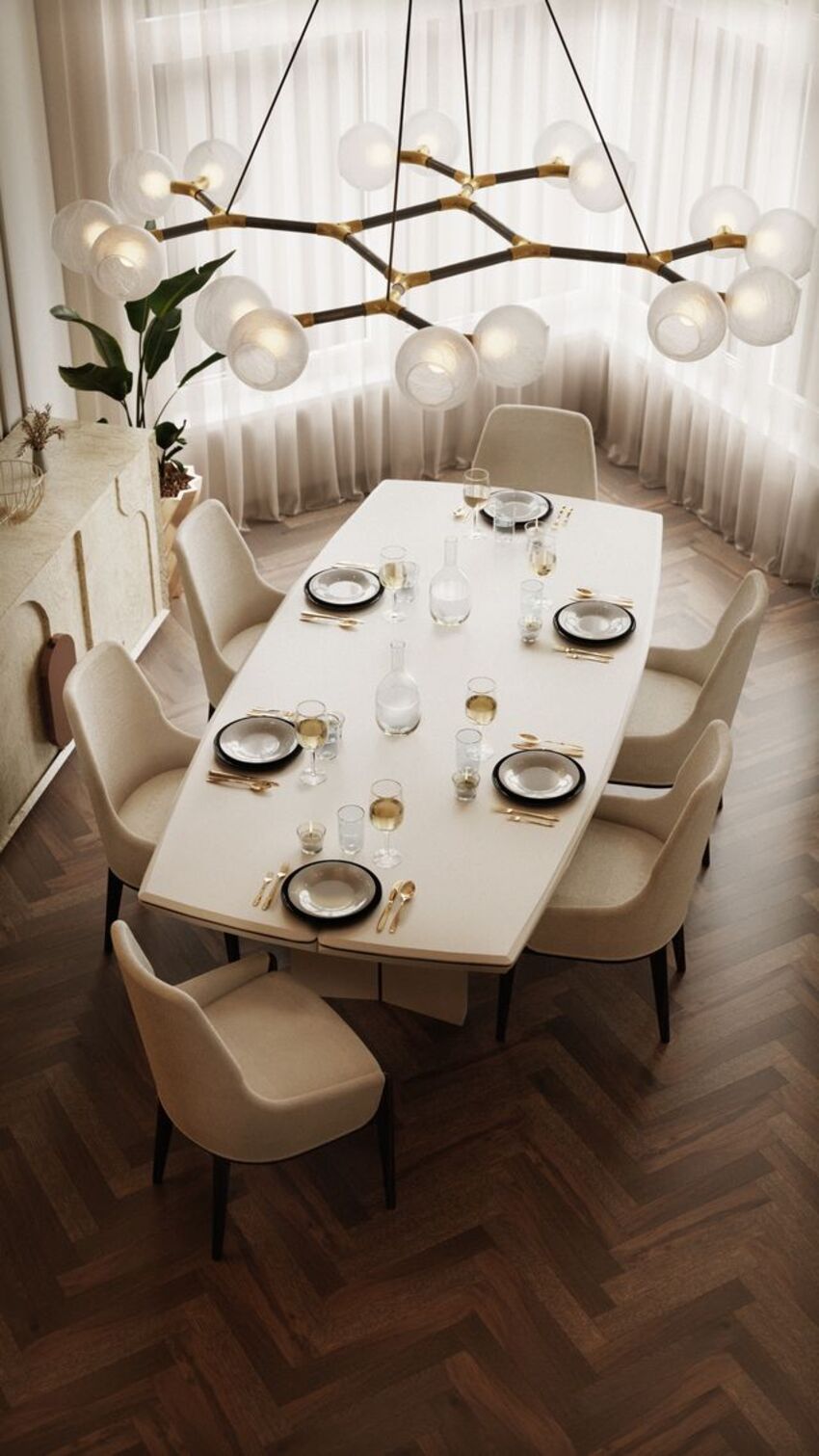
2026 is all about the tactile — mixing materials and surfaces to create depth and sensory richness. Expect combinations like natural stone, plaster, wood, woven fabrics, bouclé, linen, metal, and matte finishes. Rooms might embrace a “one-material mood” (material drenching) or combine contrasting textures to create richness.
Sculptural Organic Forms
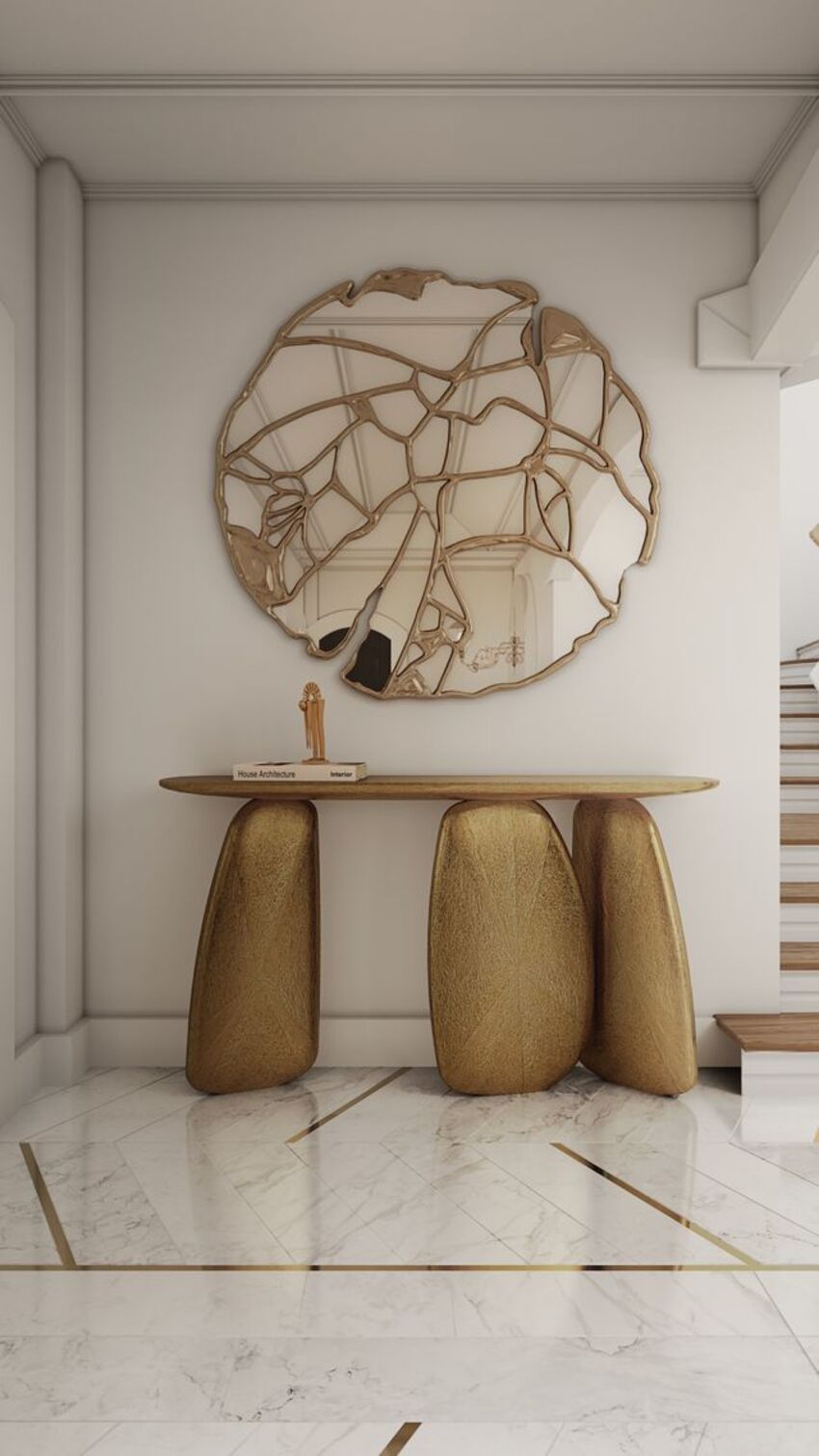
Sharp angles and rigid lines are being replaced with soft, flowing shapes. Curved sofas, rounded chairs, arched doorways or mirrors, organic-shaped tables or shelves — interiors are becoming more fluid and human, less architectural.
Smart Living & Invisible Technology Integration
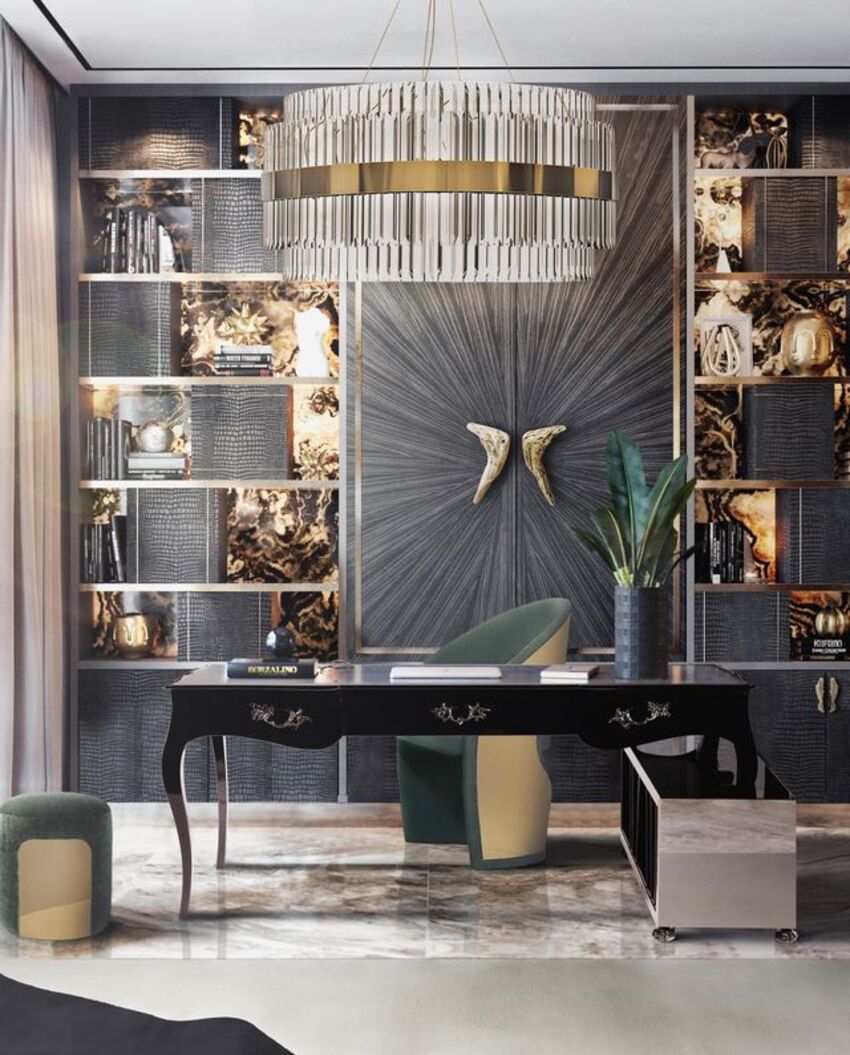
Technology is becoming a discreet part of good design. Smart lighting, modular fixtures, adaptive lighting that changes with time of day, built-in smart storage/furniture, and subtle tech integration — all without compromising the aesthetics. The goal: homes that are functional, flexible, and future-ready without looking like a gadget showroom.
Personalized, Experiential & Emotional Interiors
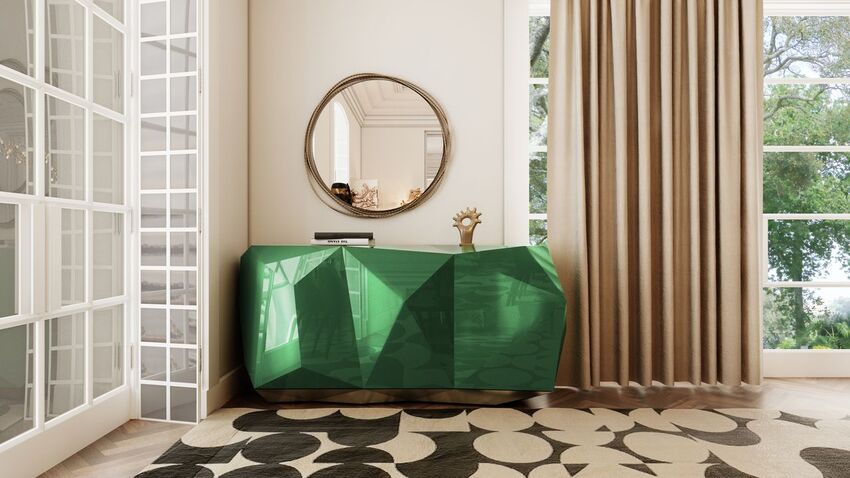
More than style, 2026 design is about the people who live in a space. Interiors are increasingly personalized, curated collections, emotionally meaningful objects, art, textures, and layout tailored to lifestyle and preferences. It’s less about following trends and more about how a space feels and functions for you.
Wellness-centered Homes
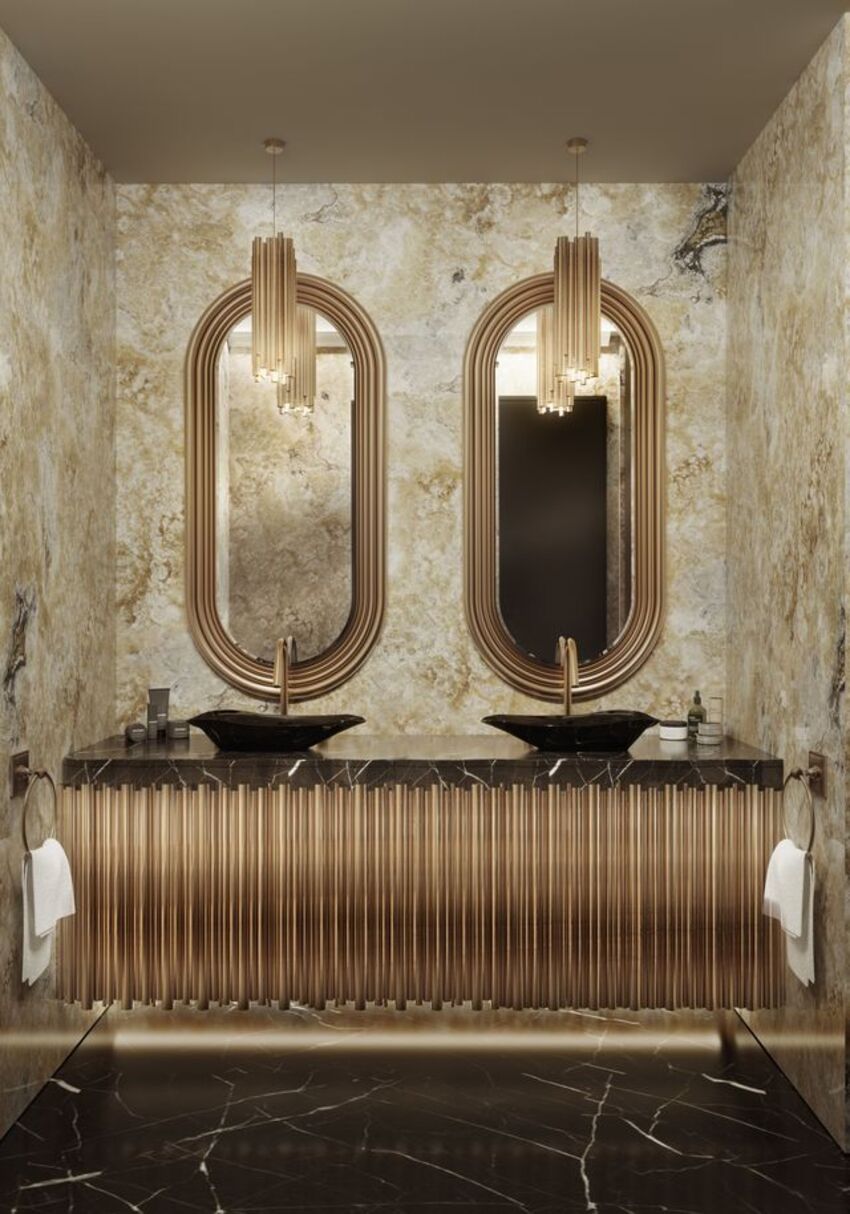
Design is responding to lifestyle: creating homes that support wellbeing. Spaces are crafted for relaxation, rest and calm — using soft lighting, natural ventilation, texture, natural materials, and indoor-outdoor integration. Think spa-like bathrooms, reading corners, relaxed flow, and spaces that support mental and physical wellbeing.
Warm Minimalism
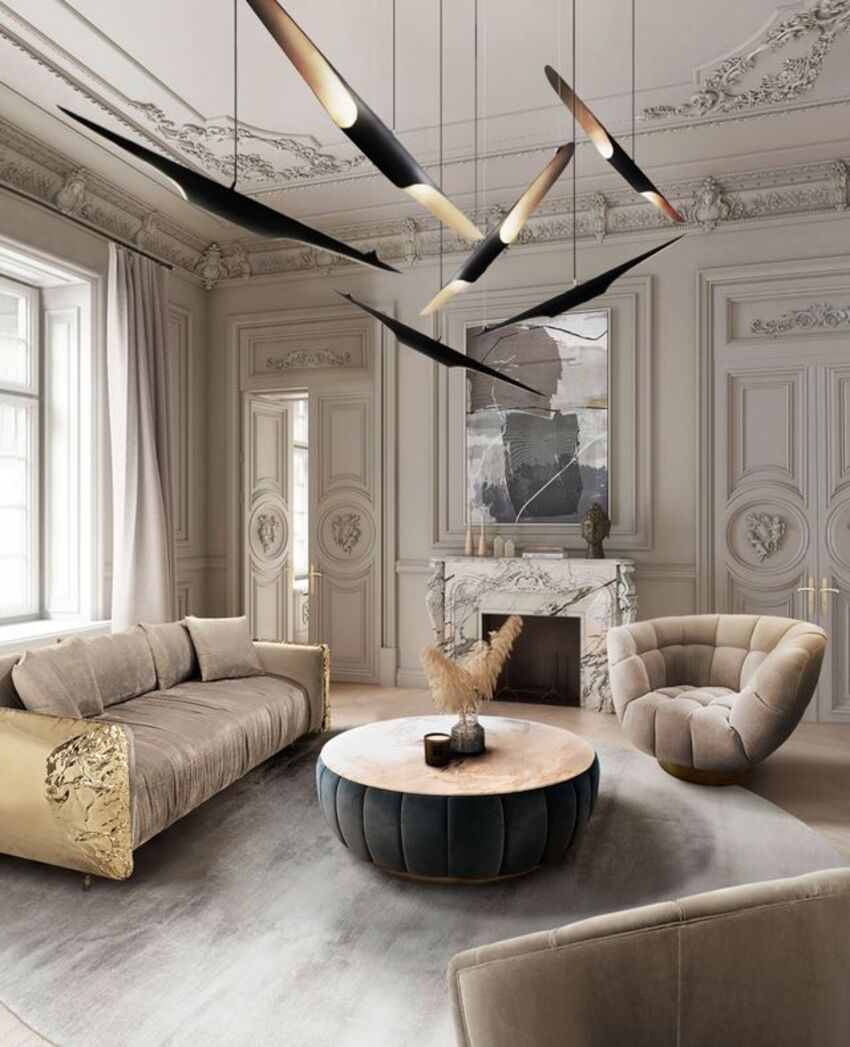
Minimalism isn’t disappearing — it’s evolving. Instead of cold, clinical white-and-gray spaces, “minimalism with warmth” is taking over: clean lines with cozy textures, natural fabrics, soft lighting, and earthy neutrals. Think linen drapes, rough plaster walls, woven rugs, and ambient light.
Bold Accent Rooms
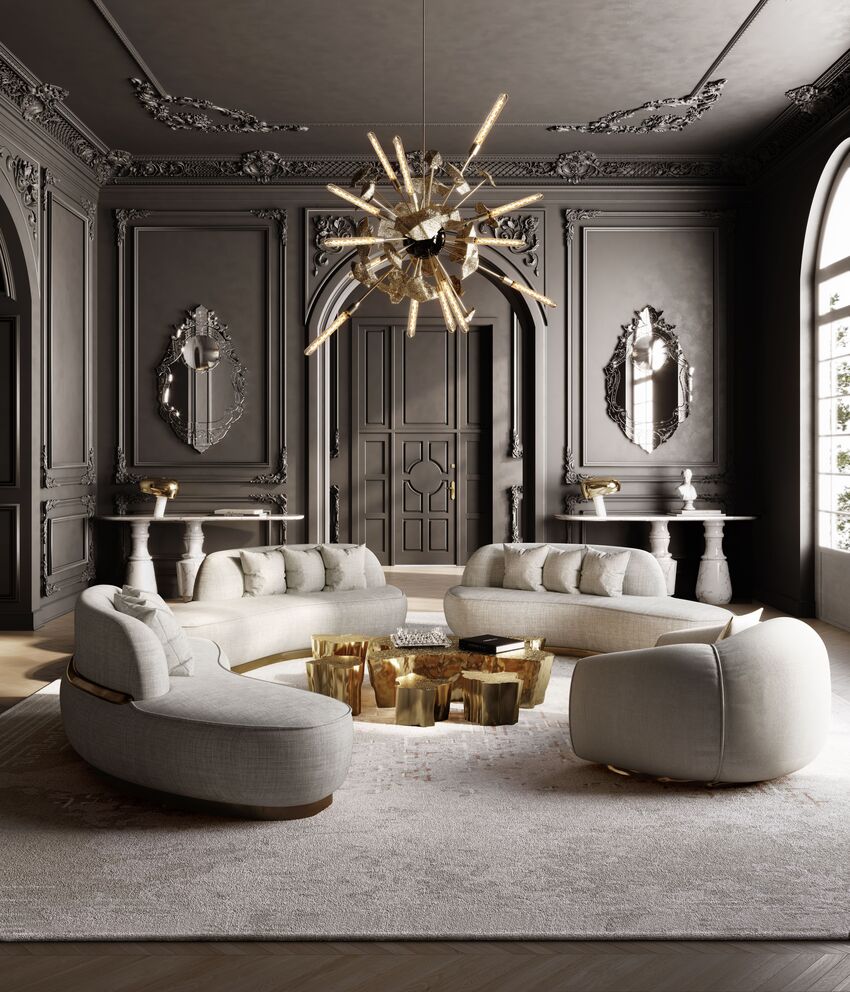
While many spaces will stay muted and warm, accent rooms or features are becoming bolder: deep-coloured walls, moody tones (charcoal, deep brown, plum), statement walls/textures or even maximalist touches in otherwise restrained homes. It’s about using depth and contrast to create mood.
By Covet House Curated Design