For quiet coastal paradises, contemporary design cities, and new ways to travel far, far away.
This list of the Best Places to Go in 2026 is a reminder of the paradox that our world is at once very big, and very small. Every year, we manage to unearth intel on places that many readers have yet to consider visiting; and yet, at the same time, rebirth and reinvention are recurring themes from well-known destinations that always seem to have something new to offer.
So, in crafting this annual list, which may be a handy guide for choosing where you travel over the next 12 months, you’ll notice that we were excited by places that already feel familiar and yet are being imbued with fresh life, like Hong Kong, which has an exciting new cultural center of gravity; we also shine the spotlight on the 16th-century lake city of Udaipur, where a flurry of luxury-hotel openings is ushering in a new era. There are also under-the-radar gems gaining footing on the global stage, like Canada’s Prince Edward County, where a wave of indie wineries, new restaurants, and boutique hotels is redefining the weekend escape; or Fès, Marrakech’s understated sibling, which is set to shine in 2026 with the historic reopening of its medina following a remarkable 15-year restoration.
This list is for travelers and dreamers alike. So please, use it to jump-start your travel plans or simply indulge your sense of wonder. Here’s a fantastic year of eye-opening travel.
Conde Nast Traveler—By Arati Menon & Megan Spurrell, December 17, 2025
Chiriquí Province, Panama
Go for: castaway vibes, marine reserves, eco-resorts
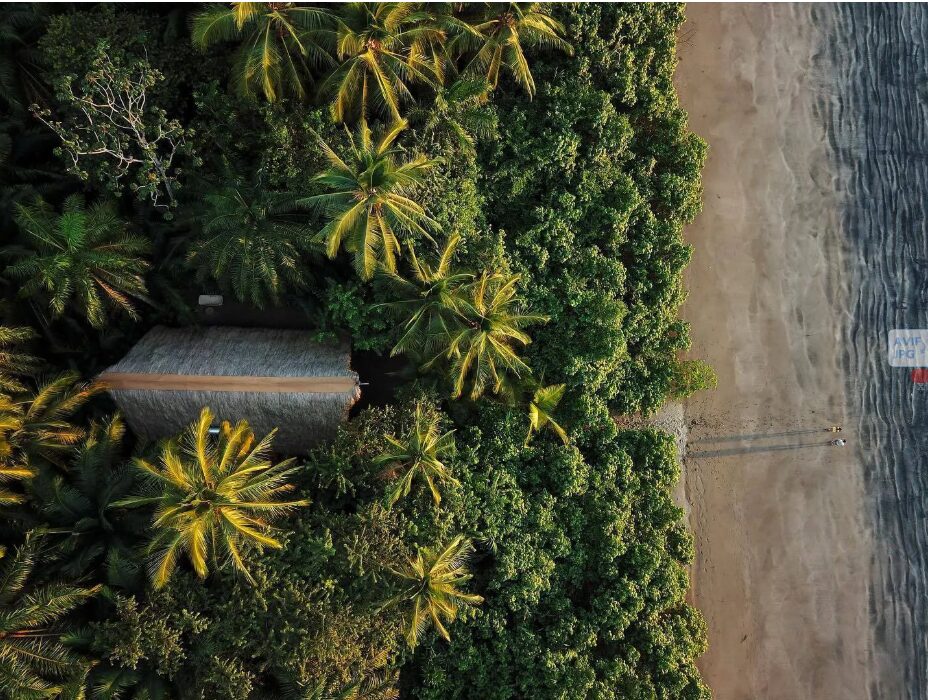
The Chiriquí Province, roughly 300 miles southwest of Panama City and hugging the Pacific, has emerged over the past decade as a castaway-style escape. The area includes La Amistad International Park, an over 400,000-hectare UNESCO World Heritage Site and Central America’s largest nature reserve, as well as the Gulf of Chiriquí National Marine Park, home to howler monkeys, armadillos, and, from July to October, migrating humpback whales. Luxury tour company Black Tomato will expand Chiriquí coverage for 2026, offering snorkeling within the marine park, naturalist-guided cloud forest hikes, and bespoke whale watches that are paired with lunch on a deserted island. Hoteliers, too, have taken note, slowly rolling out stays that capture the spirit of this getaway with top-tier amenities: The Cayuga Collection’s Isla Palenque, a 10-key luxury eco-resort, will introduce three two-bedroom villas in 2026 and 2027, all with a funicular and private pools. In February 2025, Hyatt opened the 70-key art and wellness house, Hotel La Compañía del Valle, just 20 miles from the coast; it’ll add the 18,000-square-foot Elysium Spa in fall 2025. In late 2026, travelers can expect the 186-key Viceroy Bocas del Toro, catering to the luxury clientele who prefer a more traditional resort experience. Getting to Chiriquí is also about to get easier. President José Raúl Mulino announced the forthcoming Panamá-David Railway, a 475-kilometer high-speed rail, connecting Panama City with Chiriquí in under three hours and bypassing the need for small flights or long drives when it opens.
How to plan it: Warm year-round in the gulf, Chiriquí’s rainy season runs from late April through November. Still, summer and early fall months are best for watching migrating whales, and the Vuelta a Chiriquí, one of Central America’s most prestigious cycling events, returns in July 2026. While work advances on the railway, travelers can arrive through Enrique Malek International Airport. Copa Airlines, United, Delta, and American offer flights from the United States, whereas Iberia, KLM, Air Europa, and Air France connect with Europe. Thinking of extending your trip within Panama? In late 2026, travelers can expect the 186-key Viceroy Bocas del Toro, catering to the luxury clientele who prefer a more traditional resort experience, north of Chiriqui. In February 2025, Hyatt opened the 70-key art and wellness house, Hotel La Compañía del Valle, just 20 miles from the coast and closer to Panama City; it added the 18,000-square-foot Elysium Spa in fall 2025. —Hannah Selinger
Fès, Morocco
Go for: a slate of ambitious restoration projects breathing new life into the historic city
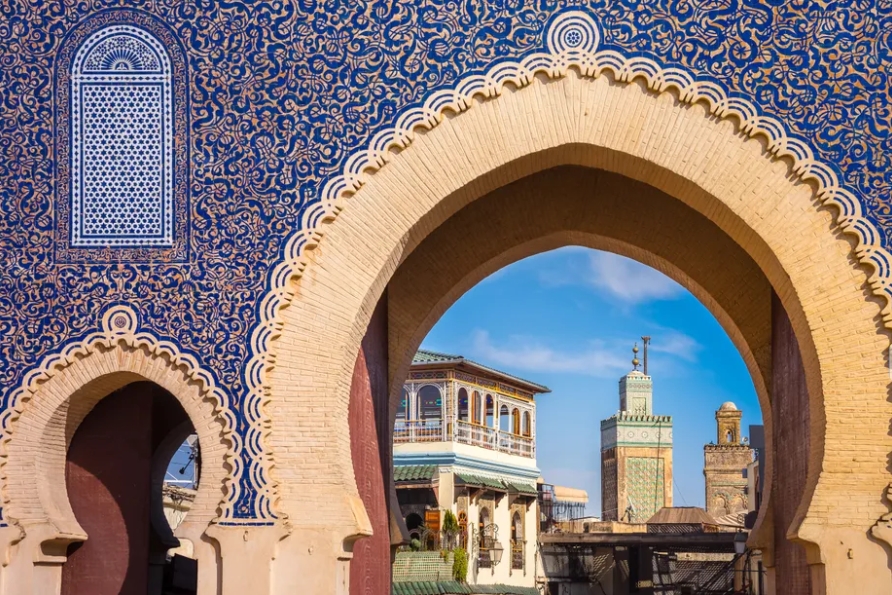
Fès is Morocco’s cultural capital and intellectual center, but it still flies beneath the radar. That looks set to change in 2026 with the long-awaited reopening of Palais Jamaï—Fès’s iconic heritage hotel built in 1879 by a grand vizier to the sultan—after a decade-long renovation. A sister property to Marrakech’s landmark La Mamounia, Palais Jamaï is one of only a handful of centenarian North African hotels and retains its opulent architectural form, plus an atmosphere thick with history.
The gilded reopening is the cherry on the cake of a decades-long renovation of the world’s largest, most intact medieval medina that has reinforced several thousand rammed-earth structures as well as restored many of the city’s most significant monuments. First among these is the ninth-century Qarawiyyin Library in the world’s oldest university, while Place Lalla Yeddouna—a riverside neighborhood rehabilitated by architects Michel Mossessian and Yassir Khalil—was shortlisted for the 2025 Aga Khan Award for Architecture. Then there are the beautiful 14th- and 15th-century fonduks (trading houses) of Chemmaine, Sbitryine, and Barka, restored as gorgeous artisan workshops focused on high-quality local crafts. Fonduk Kaat Smen will join them before the end of 2026, reopening its doors to a unique historic honey market. The Al Batha Museum of Islamic Arts, now Morocco’s finest museum, also quietly reopened recently; it offers a well-curated overview of the country’s dynastic history by using exquisite artifacts and illuminated manuscripts that place Fès in the context of a wide web of Mediterranean and African relationships. Those connections are evident at the Fès Festival of World Sacred Music, which takes place annually in May and June and celebrates Fès’s role as a center of Sufi mysticism, Islamic scholarship, and Andalusian musical heritage. Also on deck for 2026: The city kicks off the year hosting Africa Cup of Nations matches, and awaits a near-total solar eclipse in August.
How to plan it: Ryanair is the only airline to offer direct flights from London Stansted to Fès-Saïss Airport. Alternatively, multiple airlines offer direct flights from the UK and European cities to the capital, Rabat, a two-and-a-half-hour drive from Fès. If you take this route, visit the Roman ruins of Volubilis, where Moulay Idris I, the founding father of Fès and the Moroccan state, first found refuge. Fès-based Culture Insider offers engaging architecture, craft, culture, and food tours full of great storytelling and facilitates relaxed connections with local vendors, artisans, and chefs. With the appropriate notice, they can also help obtain permissions to visit the Qarawiyyin Library. —Paula Hardy
Gabon
Go for: pristine African rainforest meeting the sea; an immersive, active alternative to game-drive safaris; the wonder of isolation
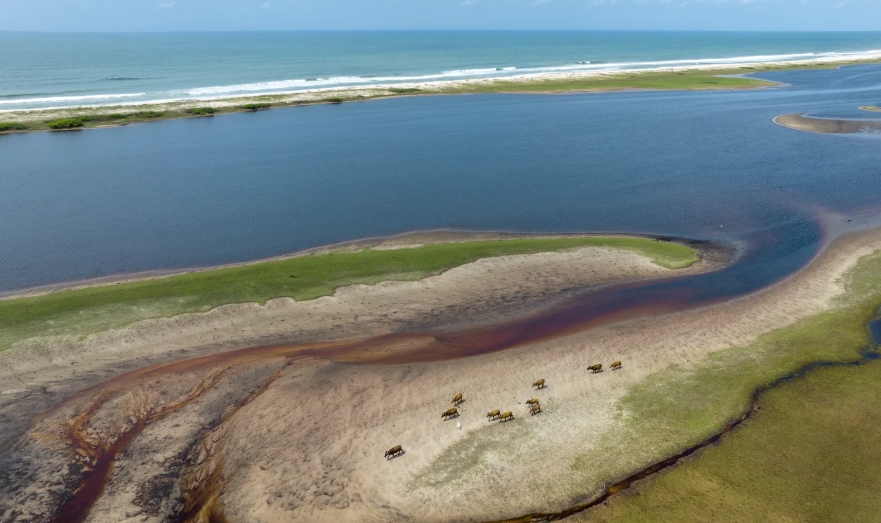
Gabon’s tourism industry might still be in its infancy, but 2026 will see it emerge as Africa’s (and arguably the world’s) most exhilarating rainforest destination with the January opening of Loango Savannah Camp. Located on the iconic Iguela Lagoon—where forest elephants splash en route to a coastline made famous by Gabon’s surfing hippos—this new tented camp is one of three properties in the northern part of Loango National Park. Dubbed Africa’s Last Eden, Loango—a wonderland of pristine forest, savannah, and lagoons pouring into the wild Atlantic—offers, among other things, what some insiders are calling the best gorilla trekking experience in Africa.
If three lodges are two too many, head south to Moukalaba-DouDou National Park, where Nyanga Lodge, which opened in early 2025, enjoys sweet isolation as the sole luxury safari property in what locals refer to as the “great apes national park.” Nyanga’s offerings for 2026 include outdoor dining experiences from a new treetop terrace to beach dinners, all the better to spy one of the park’s many primate species or marine spectacles like migrating humpback whales and nesting sea turtles. With its surrounding waters also rich in game fish like tarpon, Nyanga will additionally launch the first full season of its exclusive international catch-and-release sport fishery in 2026.
For those seeking an even wilder experience, the early 2026 opening of Sette Cama Eco Camp at the remote southern end of Loango National Park promises to be a game changer. The first property in Machaba Safaris’ Machaba Wild portfolio, this comfortable base camp will focus on adventures that favor immersion over indulgence. With activities like jungle treks (tracking chimpanzees, western lowland gorillas, forest elephants, and red river hogs), longer coastal trails (the best way to see the same jungle creatures on the beach as well as surfing hippos), and boat cruises and kayaking trips (ideal for spotting dwarf crocodiles, incredible bird life, and the shyer West African manatees), it’s all about active engagement with Gabon’s extraordinary environments. Perhaps the ultimate and most intimate version of jungle immersion, Lowveld Trails Co. will launch its first full-season of multinight primitive walking trails in mid-late summer 2026, using Sette Cama Eco Camp as its base.
While Gabon’s wonders are both unique and abundant, tourism infrastructure remains rudimentary at best, and great wildlife sightings are not always easy. With Anderson Expeditions, a pioneer in conservation-forward tourism in Gabon, resuming its tailored itineraries in 2026, private guides will help guests navigate the primeval forests and crystalline streams.
How to plan it: Air France flies direct from Paris to Libreville daily, from which travel to the parks by charter flight is highly recommended. Ethiopian Airlines (via Addis Ababa, three to four times weekly) and Turkish Airlines (via Istanbul, six times weekly) also fly nonstop. FlyGabon and ASKY both offer twice-weekly flights from Johannesburg, as well as direct flights to and from São Tomé and Príncipe, providing a more classic “beach holiday” pairing with a Gabon adventure. Gabon’s tourism infrastructure is thin on the ground, so use a locally based operator like Iniva Tourism & Hospitality (owner of Loango Savannah Camp and Nyanga Lodge) for everything from obtaining the required “invitation letter” and visas to booking charter flights. Similarly, Anderson Expeditions or Machaba Safaris can assist with all in-country arrangements. While occurring year-round, gorilla trekking is best in the rainy seasons (February through April and October through November), when it’s also a good time to see wildlife on the beaches and to fish. The long dry season (May through September) generally affords easiest access for hiking and campouts), great bird-watching, and viewing the humpback whale migration, but there are fewer animals on the beach. The short dry season (December through January) enjoys clearer weather, wildlife on the beach, and nesting turtles. —Lee Middleton
Hong Kong
Go for: enhanced green spaces and panoramic views
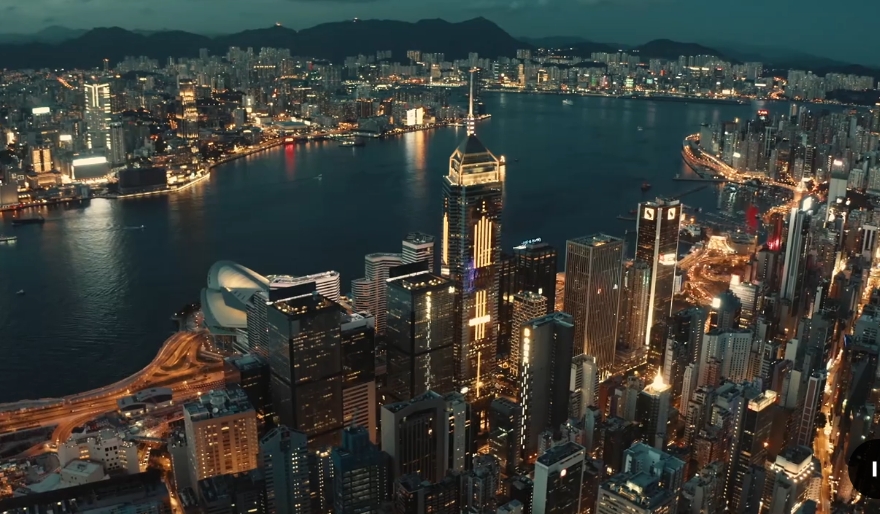
Forever forward-facing, Hong Kong is further enhancing its tourism credentials in 2026. Both on and off the island, the cultural scene is flourishing. At the tip of the Kowloon Peninsula, within the Foster + Partners’-designed West Kowloon Cultural District, the WestK Performing Arts Centre will open three world-class dance and theatre stages in 2026, with seating for some 2,300 people. And, in the heart of Central, French chef Daniel Boulud will debut Terrace Boulud, on the 25th floor of Landmark Prince’s, which connects to the Mandarin Oriental, Hong Kong via a walkway. The opening is part of the flagship hotel’s sweeping renovation, which is costing more than $100 million, includes the addition of longer-stay apartments, and is anticipated to wrap by late 2026.
With ambitions to handle up to 120 million air passengers by 2027, Hong Kong International Airport (HKIA) will unveil further improvements under its $18 billion, three-runway expansion program. Upgrades to Terminal 2 are key, with a newly opened coach hall and self-service check-in facilities due by the summer of 2026.
If you plan to head outdoors to appreciate Hong Kong’s green spaces, you’ll find improved hiking trail facilities, such as waymarks and visitor information panels, at four of Hong Kong’s peaks: The Peak, Lantau Peak, Tai Mo Shan, and Sai Kung Hoi. And for the best view of all? Head to the sky100 Observation Deck for panoramic vistas of the city’s skyscraper skyline and undulating hills when it reopens with new visitor experiences mid-year.
How to plan it: Go between September and November for sunny, breezy days. It’s best to avoid the typhoon season, which typically begins in May. Fly into HKIA and pick up an Octopus smartcard for contactless payments on public transport, and at retail, dining and entertainment outlets. —Caroline Marques
Minas Gerais, Brazil
Go for: modern art, rich culinary traditions, and a capital city on the rise
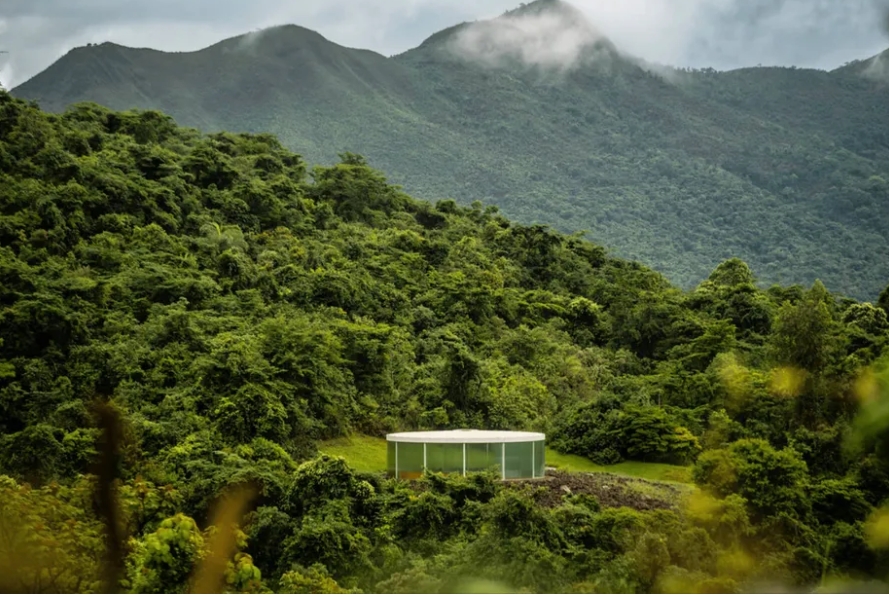
Brazil is almost a continent in itself, with regions as diverse as the palm-fringed beaches of the northeast, vineyards tucked into the lush valleys of the south, and the vast, wildlife-rich wetlands of the Pantanal. Yet with its deep culinary traditions, echoes of colonial architecture, and famously warm hospitality, Minas Gerais, one of Brazil’s largest states, is among its most overlooked treasures—at least to an international audience.
The capital city of Belo Horizonte has been quietly transforming into a top destination, fueled by its vibrant boteco culture centered around the no-frills, often anonymous bars serving great food and always-ice-cold beer. Much like the bistronomie movement in Paris, young chefs are reimagining regional classics in modern spots such as Bar Pirex, from Caio Soter, and A Porca Voadora, from Bruna Resende, while the city’s art scene continues to flourish. The architectural team behind Mercado Novo—the cultural and gastronomic hub that helped reshape the city’s urban fabric over the past decade—is now launching Galeria Ficus, on a charming square in the Carlos Prates neighborhood. Housed in a restored manor house, this hybrid project will feature seven shops and a cocktail bar, aiming to bring new life into the historic space.
In the lively Savassi district, newly relaunched Albuquerque Contemporânea is quickly establishing itself as a key player in Brazil’s contemporary art scene. By highlighting rising local artists like Mateus Moreira (who will open an exhibition in March 2026) while also representing internationally recognized Brazilian names such as Ana Maria Tavares, the gallery is helping place the city on par with cultural hubs like São Paulo and Rio de Janeiro. Accor is getting in on the creative action and opened its first Tribe hotel in Brazil here in September 2025.
Just outside the city (1.5 hours by car), Inhotim, Latin America’s largest open-air art museum, home to 800 works by more than 50 artists from 18 countries, will celebrate its 20th anniversary in 2026, with new exhibitions in April and October. The on-site hotel, the Clara Arte Resort, inspired by Japan’s Benesse House, is also expanding, with 30 additional rooms planned to open by August 2026 along with a spa set in the middle of the forest. The hotel also offers intimate guided experiences just for hotel guests on Mondays and Tuesdays, when the museum is closed to the public.
How to plan it: There aren’t many direct international flights to Belo Horizonte, but the capital of Minas Gerais is well-connected to major Brazilian cities such as São Paulo and Rio de Janeiro, with multiple daily departures. To reach Inhotim, the best option is to rent a car—in good news, this will also allow you to explore smaller towns and culinary backroads throughout the state. (Just plan to get a sturdy vehicle for the unpaved roads you’ll likely encounter.) From May to September, temperatures are milder, though Minas is certainly a year-round destination. —Rafael Tonon
Naoshima, Japan
Go for: the chance to visit before the crowds
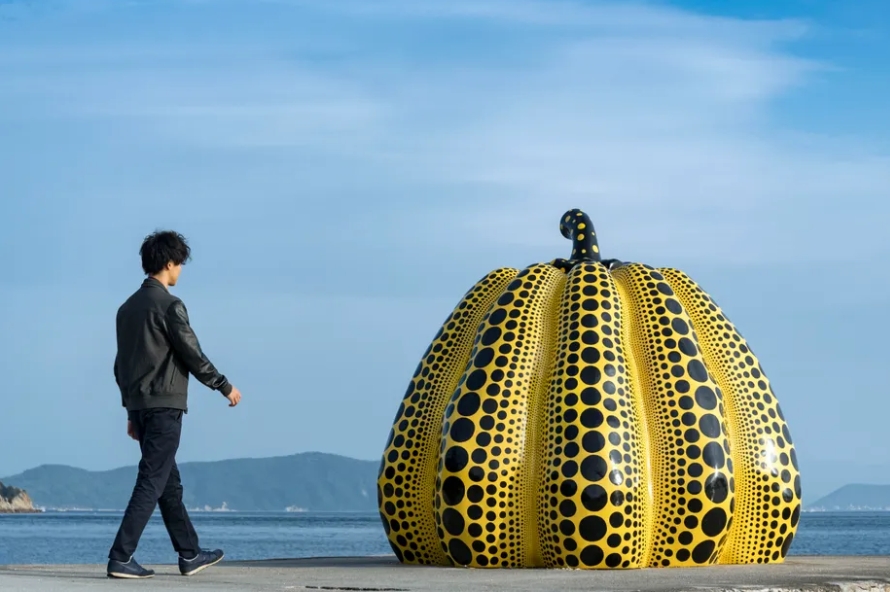
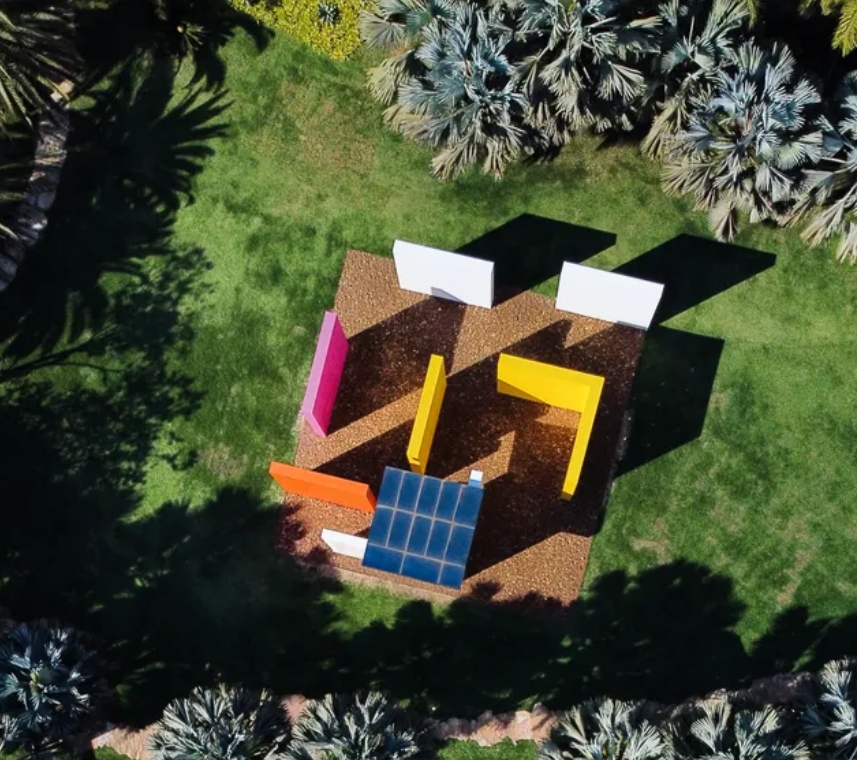
Tucked into Setouchi, off Japan’s southwest coast, Naoshima has evolved from a few traditional fishing villages into an island-wide art gallery, where contemporary works spill from museums into repurposed bathhouses and abandoned schools, and line hillside trails. The Naoshima New Museum of Art, a minimalist, partially underground structure designed by renowned architect Tadao Ando opened in May 2025, with a mandate to collect art from Asia as well as Japan. The museum, the first in a residential suburb in Naoshima town, features works by Takashi Murakami and Cai Guo-Qiang, exploring themes of Asian futurism and Japanese cosmology. It’s Ando’s 10th major effort for Benesse Art Site Naoshima, the revolutionary art project conceived to drive rural regeneration on Naoshima and its neighbors, which grabbed world attention when a Kusama Pumpkin sculpture was swept out to sea in a typhoon in 2021.
As Naoshima and its neighboring islands attract greater numbers of culture seekers, travel companies are taking note. Luxury tour operator Tauck is expanding its small-ship cruises in Japan with a new Seoul to Tokyo itinerary for 2026, which includes an exploration of the Seto Inland Sea, and a guided excursion to explore Naoshima’s contemporary arts legacy. The luxury hotel group, Mandarin Oriental, is set to open three boutique properties in Setouchi from 2027 to 2030, including a ryokan-style hotel in Naoshima—so go now, before the crowds arrive.
How to plan it: The best time to visit is March to May or September to November, avoiding the heat and rains of summer. Naoshima plays a starring role in the Setouchi International Art Triennale, a contemporary art festival with a reputation for community involvement, which runs sessions in spring, summer and autumn on different islands over the course of its programming. Take a domestic flight to Takamatsu or Okayama cities from the international flight hubs of Tokyo or Osaka, then it’s a short ferry ride to Naoshima. Stay at the beautifully curated, museum-cum-hotel Benesse House Museum, another early Ando project. —Paris Wilson
Northern Chilean Patagonia
Go for: a storied backcountry lodge and wellness experiences in “Green Patagonia”
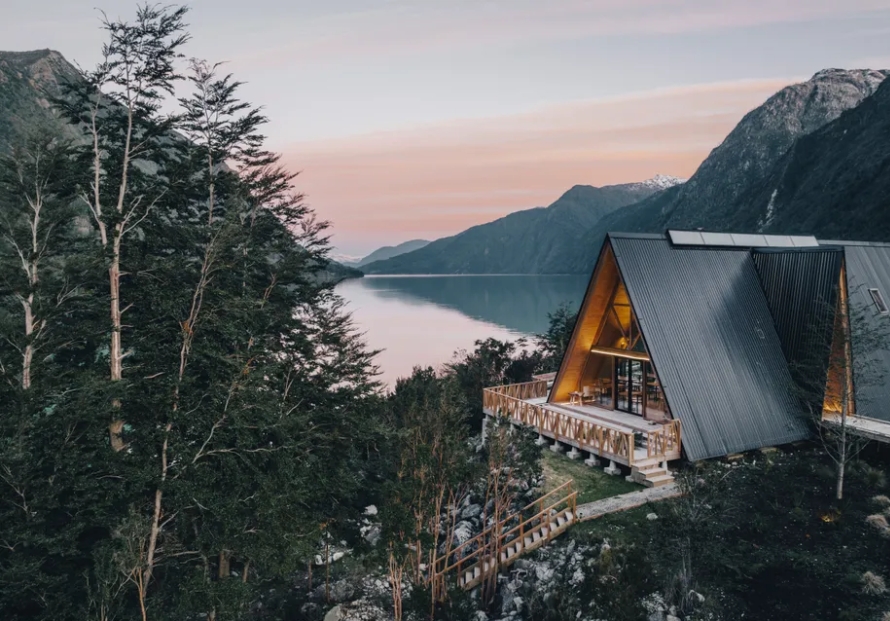
The skyscraping spires of Torres del Paine National Park, at the southern tip of South America, carry legendary status among global adventurers, but for those seeking less-trodden trails, the greener wildlands of Northern Patagonia in Chile remain blessedly unexplored. The newest reason to visit? Reñihué, a vast fjord-side sanctuary set amid turquoise rivers, craggy peaks, and misty rainforest trampled by kodkods (the continent’s tiniest wildcats) and pudus (the world’s smallest deer). American conservationists Doug and Kris Tompkins started their pioneering work—which resulted in the creation and expansion of 15 national parks across Chile and Argentina—with a 1,750-acre land purchase in this valley. Fellow American Charlie Clark later acquired the property, launched the Reñihué Nature Conservancy Foundation, and, over the past year, turned the wood-shingled Tompkins home into a bookable four-room lodge overlooking the glaciated Michinmahuida Volcano.
The Reñihué opening arrives amid a flurry of regional conservation wins since 2024, when local activists saved the so-called Yosemite of South America from property developers, protecting its granite domes (beloved by rock climbers) in the new Cochamó Valley Nature Sanctuary. The nearby Puelo and Futaleufú Rivers are set to become the first two protected waterways in Patagonia in early 2026, which will safeguard these milky-teal icons (revered by whitewater rafters) from energy exploitation. Meanwhile, thrill-seekers can rest their weary bones at the Ritual Patagónico Spa opening this austral summer at the lush Termas del Sol hot springs complex; it’s right by the Puelo River and near the striking eight-room adventure lodge Tawa Refugio del Puelo, which opened in 2023.
How to plan it: Fly into Chile’s capital of Santiago, then hop on a two-hour flight to El Tepual International Airport, near Puerto Varas, the gateway to Northern Chilean Patagonia. Get your bearings at the Brutalist-inspired lakeside retreat Hotel AWA, before continuing south to Cochamó, Puelo, Reñihué, or Futaleufú via winding roads and fjord-crossing ferries. Birds Chile specializes in high-end adventure- and conservation-themed tours to this region; Plan South America (a Condé Nast Traveler–awarded top travel specialist) creates bespoke luxury trips that can stitch together multiple destinations including Reñihué. Visit November to March for drier conditions and maximum daylight. —Mark Johanson
Oulu, Finland
Go for: Arctic culture, art trails, and year-round cultural programming
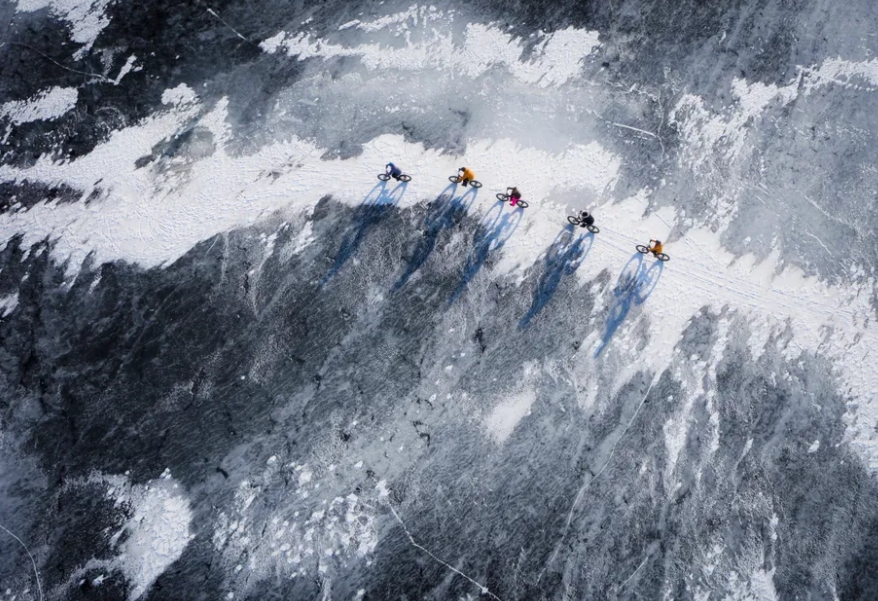
Located just south of the Arctic Circle in Finland, Oulu has a lot to offer: its remote location, the purest air in Europe, a low-impact Arctic food culture, and almost 600 miles of walking and cycling paths make it a reliable eco-friendly destination. But in 2026, the city will become one of the northernmost European Capitals of Culture. Under the theme of Cultural Climate Change, a series of events will focus on creative solutions to the challenges facing Europe and beyond in one of the world’s fastest-changing regions.
In winter, northern traditions are on display at Frozen People, an electronic music festival on the icy Gulf of Bothnia, and at Oulu Art Museum’s Sámi contemporary art exhibit, which showcases the resilience of Europe’s only Indigenous people (on view until May 2026). Climate Clock is a new permanent art trail opening in June with thought-provoking work by renowned artists such as the UK’s Rana Begum, set amid Oulu’s forests, and along its rivers and seashores. From May to August, the Solstice Festival will celebrate summer at a 500-meter Arctic fell with views of pine woods and lakes, while the Summer Night’s Dinner will highlight northern ingredients at a communal table stretched along one of Oulu’s main streets.
As Finland’s tech and science centre, Oulu will also play host to several innovative digital art projects throughout the year. These include the year-long Peace Machine—a multidisciplinary installation by the Finnish Ekho Collective that uses AI to brainstorm conflict solutions—and a first-of-its-kind 86,000-square-foot museum and science center opening in autumn 2026, just in time for aurora borealis viewing in its Deep Space theater.
Travelers can take a break from culture by leaning into Oulu’s strong sauna culture (choose from wood-smoke saunas, floating river saunas, or luxury saunas). At the summer sauna festival, traditional sauna healers will offer treatments rooted in Finnish folk heritage such as birch-leaf bathing and sauna chants. Newly renovated Lapland Hotels Oulu will be welcoming guests with design-forward rooms and must-try breakfasts starting in January, and a new Scandic Go hotel will open in late 2026.
How to plan it: In 2026, Discover Airlines by Lufthansa will add a non‑stop flight from Frankfurt to Oulu three times a week; multiple daily Finnair flights connect Helsinki with Oulu. An overnight VR train ride from Helsinki is a good eco-alternative, with Eurail passes and a summer ticket offering unlimited nationwide travel. (Check Oulu2026 for more info.) Pro tip: when choosing providers, look for the Sustainable Travel Finland sign for eco-friendly options. Go on foot or hop on a bike to explore the compact city centre and rent a car only if you plan to explore the wider region, like the nearby Rokua, Finland’s first UNESCO Geopark. Locally based Go Arctic runs group trips across the region, and Nallikari Safaris offers small‑group fatbiking, kayaking, and aurora viewing trips with guaranteed departures. —Yulia Denisyuk
Prince Edward County, Canada
Go for: a newer wine region with an old soul
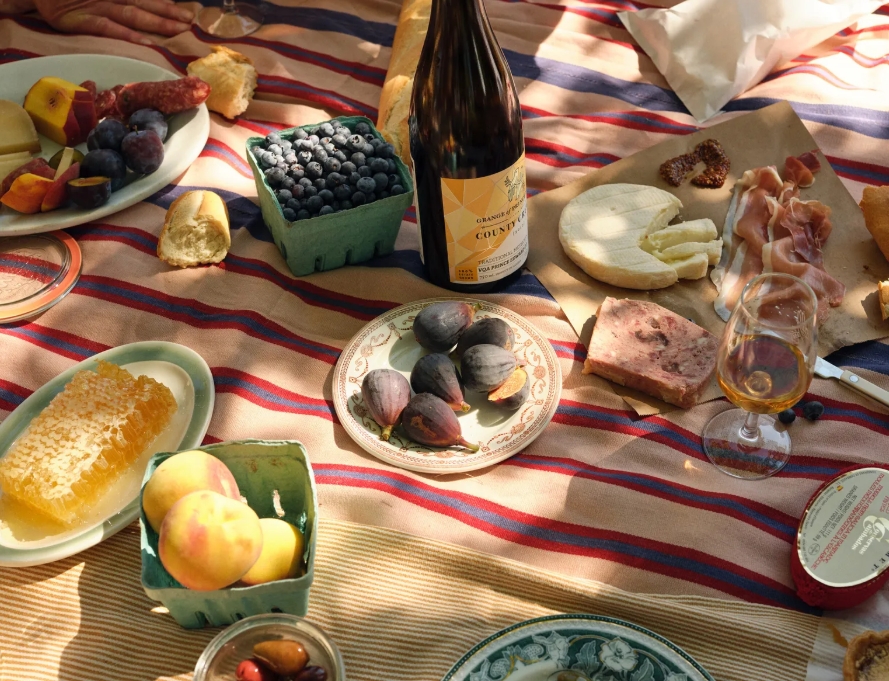
Prince Edward County—or PEC—is already a favorite long-weekend destination for many Canadians, especially those from Toronto and Montreal (it’s only a few hours drive from each). The region has been coming into its own for the past decade as a hot spot for boutique hotels, small family-run wineries, and world-class restaurants, but there’s plenty more to come. The region is eagerly awaiting the arrival of the new hotel, The Claramount Club, which will have two new restaurants as well. Meanwhile, the stylish lakeside escape Wander the Resort expanded its experiences focused on local food and outdoor recreation and opened a lakefront Nordic spa. Happy Sailing started to offer sailing lessons along PEC’s curving shoreline, and Charlie, a playful neighborhood bistro in Consecon, is already pulling in the crowds.
A lot of what’s new is centered in the quaint town of Picton, which has been transformed over the last few years by hotels including The Royal. It’s become a community hub of sorts, drawing locals and travelers alike, and has been joined by excellent dining establishments like farm-to-table wine bar Theia and Spanish restaurant Bocado. But don’t be afraid to venture out of town to explore the county’s food scene—PEC is now a mecca for exciting young chefs who are opening their own spots with a local focus. Top tables include Darlings, Stella’s Eatery, and La Condesa, all of which rival anything you’ll find in major tourist centers. If wine tourism is of interest, be sure to explore vineyards like Traynor, Closson Chase and Hinterland Wine Company. PEC may be one of Canada’s youngest wine regions, but you’ll find elegant reds, crisp whites, and sparkling pét-nats thanks to its unique terroir and crisp, cool climate.
When it comes to Prince Edward County, 2026 is when the world will catch up on what Canadians have known for years.
How to plan it: Prince Edward County is equally great in all four seasons, but it tends to be more popular among travelers in the summer, early fall, and the festive season. However, every time of year draws a different kind of traveler. In warmer months people flock to the beaches of Sandbanks Provincial Park for swimming and sailing; in winter it’s for cross-country skiing and snowshoeing. The spring and fall are great for wine tourism and thinner crowds. The County, as locals call it, is an easy drive from Toronto and Montreal and can be easily added to as a midpoint trip between the cities. It’s approximately a 2.5-hour drive from Toronto and 3.5 hours from Montreal. The best option is to fly into one hub and out the other—and plan to rent a car to get you around. In addition to the hotels mentioned above, check out the June Motel, Drake Devonshire, Mirazule, or one of many charming bed-and-breakfasts in the region. —Kyle Beechey
Saadiyat Island, Abu Dhabi
Go for: world-class cultural institutions
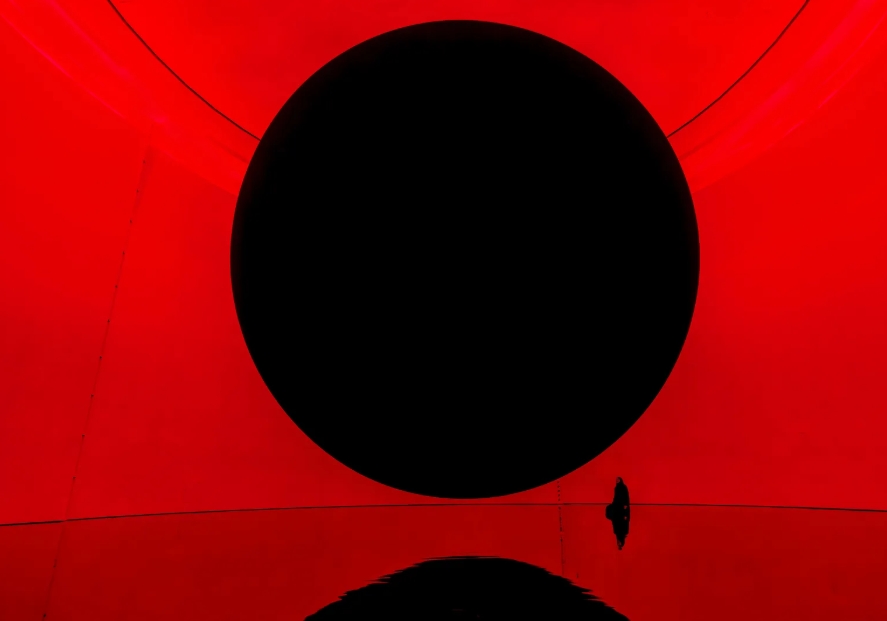
Abu Dhabi might not always get the same share of global attention as its glitzier neighbor, Dubai, but the UAE capital has just as much, if not more, to shout about right now—much of which is taking place on Saadiyat Island, where a cultural renaissance is underway. Saadiyat Cultural District has been home to Louvre Abu Dhabi since 2018, and, come November 22, 2025, it will be joined by Natural History Museum Abu Dhabi, before the long-awaited Zayed National Museum opens its doors a week later. Named after the UAE’s Founding Father, Sheikh Zayed, the museum will take visitors through the history of the UAE, while looking to the country’s future. Designed by renowned architect Lord Norman Foster, the building has taken dramatic shape on the capital’s skyline in recent years, featuring striking narrow glass atriums inspired by a falcon’s wingtips.
Then, in 2026, Guggenheim Abu Dhabi is due to be completed, shaping this mile-square patch of island, surrounded by the calm waters of the Arabian Gulf, into a museum district to rival that of London or New York. Add to this line-up the new teamLab Phenomena and existing Abrahamic Family House—an interfaith complex and one of the world’s most unique representations of tolerance—plus the string of luxury resorts that line Saadiyat Beach, the UAE’s most beautiful stretch of coast, next door, and you’ve got more than enough reasons to add Saadiyat Island to your 2026 travel wishlist.
How to plan it: It’s a 30-minute taxi journey from Zayed International Airport to Saadiyat Island’s museum quarter. You can book a two-night stopover in the UAE capital, with a complimentary city hotel stay, via Etihad Airways. The Experience Abu Dhabi Shuttle Bus is a hop-on-and-off complimentary service, linking hotels and tourist attractions across the city centre and beyond, including Saadiyat Island. —Sophie Prideaux
Saint-Gervais-les-Bains, France
Go for: sustainable train travel and sweeping Haute-Savoie views
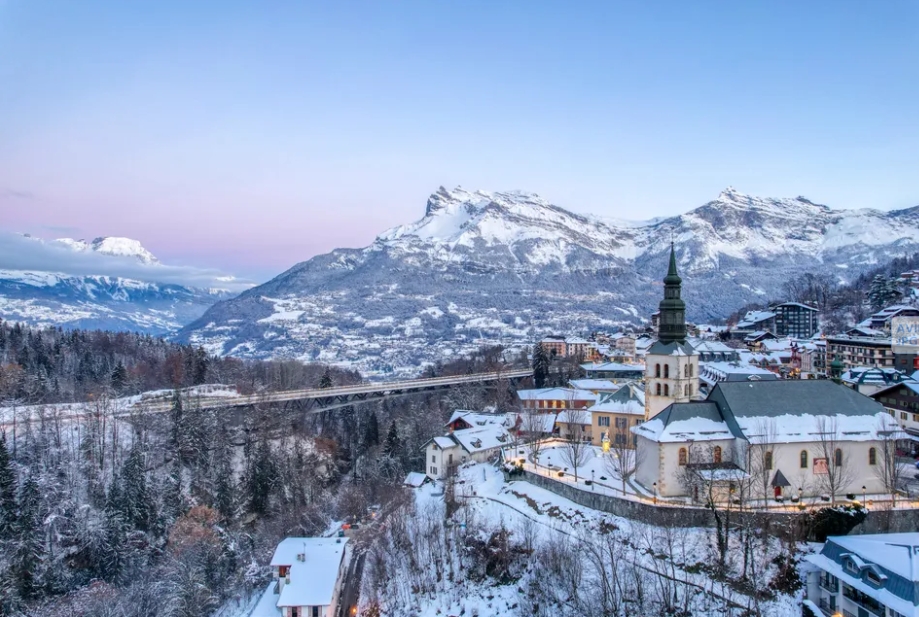
In 2026, Saint-Gervais-les-Bains, in Haute-Savoie, is taking a big step towards rewriting what Alpine tourism can look like. The Mont Blanc Express, the century-old railway that winds between Saint-Gervais-les-Bains’ Le Fayet and Martigny, will unveil a new fleet of energy-efficient trains in the summer. For a line first electrified in 1908, it’s a symbolic upgrade: proof that sustainable travel is no longer a side story in the Alps, but the way forward. The new trains will double capacity, cut emissions, and ease car traffic in the valleys, while strengthening the cross-border links that have always defined this region. From 2026, the Léman Express from Geneva will also expand services, making it easier than ever to arrive in the Mont Blanc foothills entirely by rail.
In the Belle Époque spa town, innovation is already reshaping daily life. Launched in 2024, Le Valléen gondola is the first in France to connect a mainline SNCF station directly with a mountain resort centre. In five minutes, it whisks passengers from Saint-Gervais Le Fayet station to the town center with sweeping views over the Bonnant gorge, cutting traffic and linking directly to ski lifts. From the same station, the Mont Blanc Express runs up the valley to Chamonix.
The famous Alpine town adds to the story in 2026 with the opening of the Glaciorium, a glacier and climate center at Montenvers—a timely reminder of why these greener choices matter. Together with Saint-Gervais, this corner of Haute-Savoie feels less like a nostalgic ski destination and more like a region reimagining its future—proving the Alps can still thrill, while treading more lightly on the mountain.
How to plan it: From 2026, take the Léman Express direct to Saint-Gervais–Le Fayet in just over an hour. At Le Fayet, hop on the Le Valléen gondola for a five-minute ride into Saint-Gervais, or continue on the Mont Blanc Express to Chamonix and into Switzerland. With this growing rail-and-lift network, a car isn’t essential. Ski in winter, hike and climb in summer, and don’t miss the Saint-Gervais thermal baths year-round. —Katilena Dartford
Udaipur, India
Go for: new luxury hotels and a sense of urban renewal
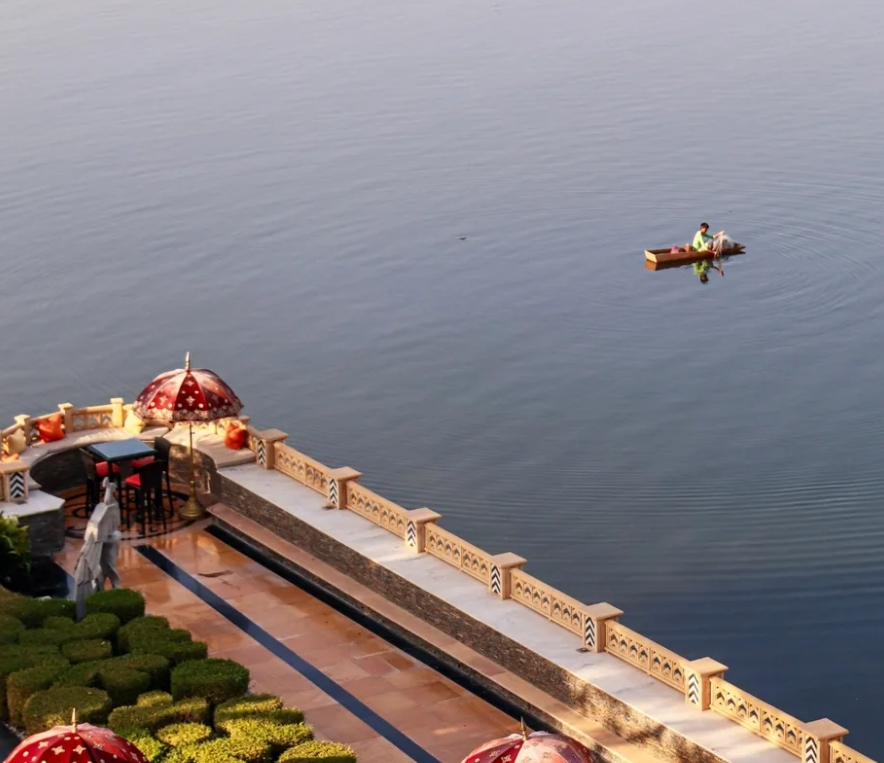
Udaipur is synonymous with opulence, and its legendary hotels like the Leela Palace (above) are expanding and renovating as more tourists flock to the historic city. Leela Palace
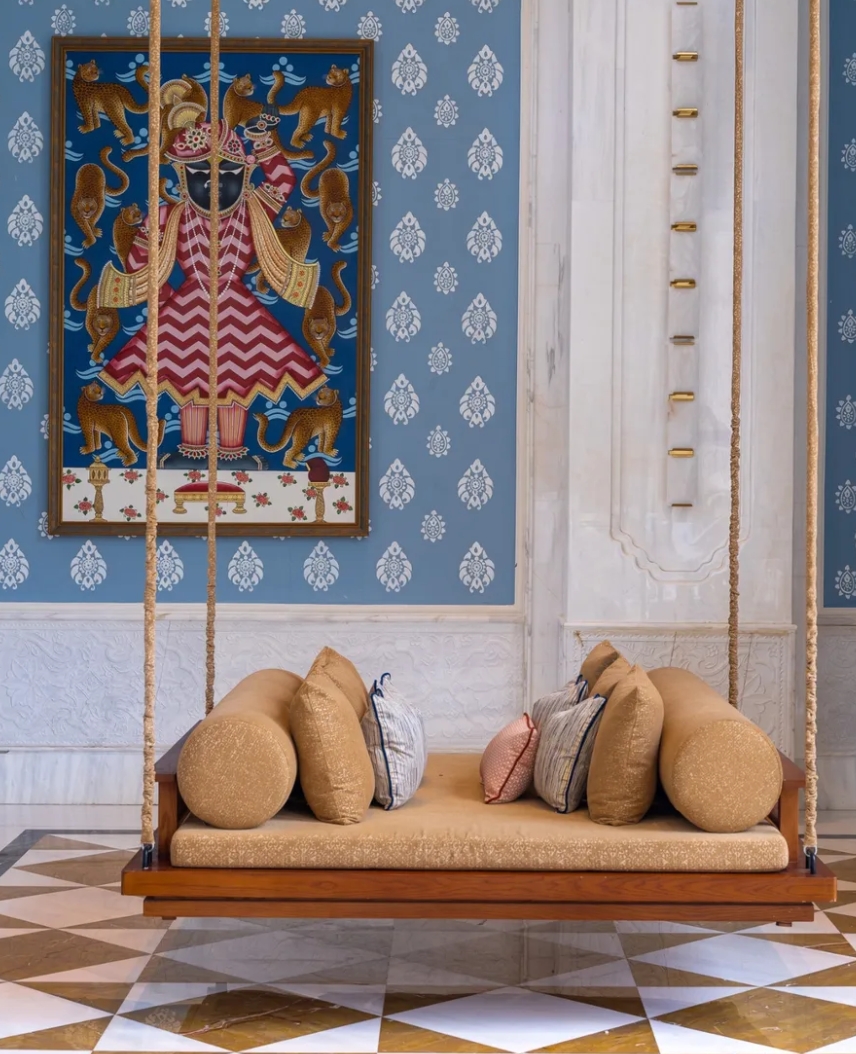
In a valley within the ancient Aravalli mountains, Rajasthan’s 16th-century “lake city” has always drawn glamorous travelers to its Rajput palaces and stately havelis. Now, a flurry of luxury hotel openings is bringing a welcome sense of renewal. Alongside icons of Indian hospitality like the Taj, Oberoi, and Leela groups, major international players have entered the fray. Tucked into the forest surrounding the 19th-century Monsoon Palace—the former hunting retreat of Maharana Sajjan Singh—Fairmont Udaipur Palace is a palatial 327-key hotel filled with Pichwai art, intricate chattris, and nods to Rajput-era design.
If you’re inspired by its sumptuous design details, visit The House of Things, Udaipur’s new address for Indian design, where more than 200 homegrown brands, including Jaipur Rugs and Aadyam Handwoven, come together under one roof in a collection curated by locals Astha and Manan Khetan. The 226-key Marriott has also debuted on the northern edge of Fateh Sagar, encircled by hills, and filled with sweeping marble terraces and stone-carved jharokas. Meanwhile, in the heart of Udaipur, on the fringes of Lake Pichola, longtime favorite The Leela Palace Udaipur is channeling its signature modern Indian aesthetic into its new private villa offering, Arq at Pichola, with private butler service, mixologists on call, and waterfront daybeds at three exclusive villas.
Boutique Indian brand Minimalist Hotels is due to bring its signature design-forward style to the banks of Lake Pichola in the coming months, with an intimate 20-key property, while the Hilton is set to arrive in early 2026. From February 20th to 22nd, vintage automobiles will rumble through the grounds of The Oberoi Udaivilas as the Oberoi Concourse d’Elegance returns for its second edition. Sir Jackie Stewart, Jacky Ickx, and Giacomo Agostini are among the expert panel that will judge the showcase of European and American classics, heritage Indian cars and automobiles of erstwhile maharajas.
How to plan it: The best time to visit Udaipur is in the cooler months from September to March. Fly into Udaipur Airport from major Indian cities such as Delhi (1 hour and 15 minutes), Mumbai (1 hr 30 mins), Bengaluru (2 hr 10 mins) and Jaipur (1hr). Jaipur, a 6.5-hour drive away, is the closest international airport.—Malavika Bhattacharya
Uluru, Australia
Go for: spiritual connection, epic trekking, and a desert that lights up after dark
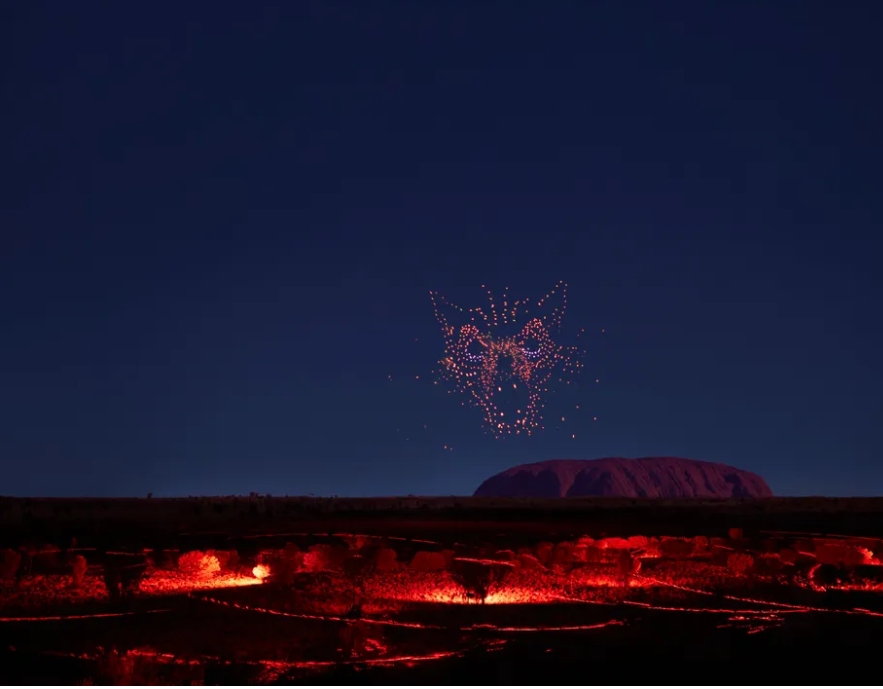
The raw beauty of the Australian outback is magnified at Uluṟu. More than just a geological wonder, the rock formation has been shaped by thousands of years of Aṉangu law, story, and ceremony, and bears a spiritual and cultural weight greater than the red dust settling at its feet. October 2025 marked the 40th anniversary of the historic hand-back of the title deeds for Uluṟu-Kata Tjuṯa National Park to its traditional owners, the Aṉangu—a milestone that set the tone for the region’s next chapter. Launching in April 2026, the Uluṟu-Kata Tjuṯa Signature Walk will link the red domes of Kata Tjuṯa with the crimson monolith of Uluṟu and offer a deeper, slower way to connect with the culture embedded in these twin sacred sites. The luxury four-night guided trek spans 33.5 miles and includes stays at purpose-built glamping camps and a new ecolodge, with Aṉangu storytellers walking alongside guests to share their deep knowledge of Country. It’s the latest in a string of innovative Red Centre experiences: from Uluṟu’s high-tech light-and-sound shows—Sunrise Journeys and Wintjiri Wiṟu—to the launch of the Ghan’s new luxury train suites, Australis and Aurora, in April 2026. Meanwhile, Bruce Munro’s Field of Light now shines brighter than ever after a 2025 refurbishment ahead of its 10th anniversary in 2026. Up the Stuart Highway in Alice Springs, Intrepid Travel’s new Indigenous-guided Larapinta Trail trek, which opened in May 2025, offers another route into the stories and landscapes that define the heart of the country.
How to plan it: The Uluṟu-Kata Tjuṯa Signature Walk operates during the cooler months from April through September—the ideal time to visit the Red Center. Yulara, the gateway town, is easily reached via direct flights from Sydney, Melbourne, Brisbane, and Cairns. Just beyond, nestled in the desert dunes, luxury wilderness camp Longitude 131 makes a standout post-hike base with bush-inspired fine dining and uninterrupted Uluṟu views. So does Tali Wiru, the open-air fine dining experience. —Sarah Reid
Upper Carniola (Gorenjska), Slovenia
Go for: fairy-tale villages and breathtaking lakes
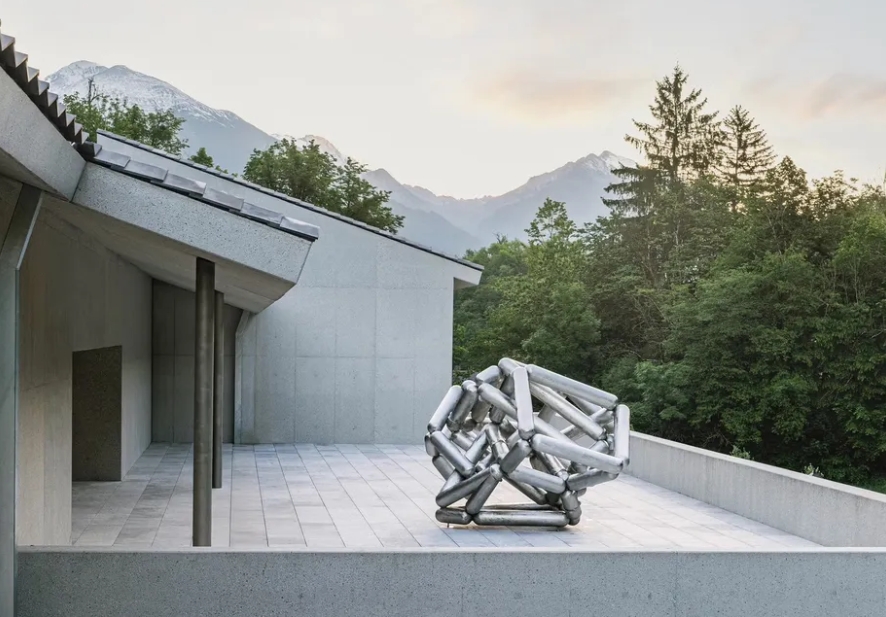
Tucked between Austria and northern Italy, Slovenia’s Upper Carniola region (also known as Gorenjska, meaning “highlands”) is a gem hiding in plain sight. About a tenth of the size of Tuscany, this northwest corner packs a stunning lineup: Julian Alps, Lake Bled, Triglav National Park, and a sprinkling of villages plucked straight from a fairy tale.
While neighboring Italy braces for shoulder-to-shoulder crowds at the Milano Cortina Olympic Winter Games, Upper Carniola’s appeal is its breathing room. Don’t expect complete silence though: 2026 is shaping up to be its breakout year. A new digital nomad visa is being rolled out, perfectly timed with a wave of cultural and hospitality openings—a cue that the country is ready for its close-up.
Summer 2026 will see Upper Carniola emerge as a destination for contemporary art lovers with the grand opening of Muzej Lah—showcasing over 800 European works lovingly collected over three decades by Igor and Mojca Lah—on the scenic slopes of Bled Castle. For wellness seekers, Kneipp NaturHotel Snovik, after a 22 million euro ($25.5 million) investment, will debut in June 2026 on the region’s outskirts, becoming Slovenia’s highest-altitude thermal spa hotel. Wellness here is rooted in tradition (see Sebastian Kneipp’s five pillars of holistic living), but with a contemporary twist.
Intimate, guesthouse-style hotels are quietly flourishing in the Julian Alps, such as five-suite Chalet Sofija, where warm hospitality, sweeping views and serious culinary chops converge. It’s no surprise, then, that nine Slovenian restaurants earned Michelin stars in 2025. Regional staple Hiša Franko retained its coveted three stars and Green Star for sustainability, cementing Ana Roš as one of two female chefs worldwide with that distinction. Meanwhile, history buffs shouldn’t miss the return of the Unesco-listed Passion Play to Škofja Loka’s cobblestone streets after a six-year pause, with 900 locals reviving one of Europe’s oldest Baroque-era plays.
How to plan it: Upper Carniola shines year-round: snowy winters for skiing, balmy spring and summer for hikes and lake dips, but late summer through autumn proves most rewarding with fewer tourists, golden foliage, and visits to the new Muzej Lah. Fly into Ljubljana (nonstop from London, Zurich, Paris, Munich, and Frankfurt), then train to Jesenice, Kranj, or Radovljica. A rental car is recommended for exploring remote villages and alpine passes, as buses run less frequently during the off-season. —Laura Zhang
Victoria Falls, Zimbabwe
Go for: a slew of new hotels offering fresh vantage points to experience the iconic falls and Africa’s adventure capital
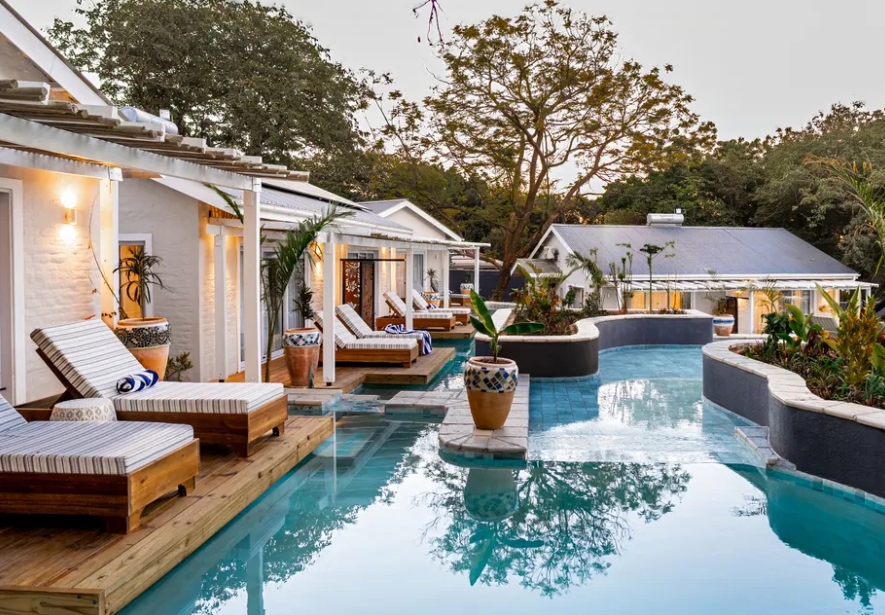
Long celebrated for the Mosi-oa-Tunya—“the smoke that thunders”—the city of Victoria Falls is reinventing itself as one of southern Africa’s most exciting destinations in 2026. Travelers come not just to behold the falls but for the adventure, culture, and conservation experiences. And a spate of new hotels have arrived to meet the demand, including Anantara’s first Zimbabwean property, the plush Stanley & Livingstone Victoria Falls, which debuted last December; adventure operator Wild Horizons’ Waterfalls Lodge, which followed in July; and Samanzi Luxury Cabanas, a boutique retreat that opened in August with intimate cabanas and tranquil pools. This past June the Palm River Hotel unveiled a stunning new riverside deck that overlooks the Zambezi, offering scenic dining experiences and a beautifully curated high tea. Looking ahead, Bupenyu Lodge by Newmark Hotels & Reserves (opening at the end of 2025) and the House of Chinhara–Vignette Collection (opening in January 2026) promise ultra-luxury options that will transform the region from a stopover to a destination in its own right. In addition, the new Mpala Jena Private Villas, set on the sandy banks of the Zambezi, offers a secluded and fully powered three-suite sanctuary with private pools, riverfront suites, personalized butler and guide services, and easy access to the falls by road or boat. Infrastructure is also keeping pace with this growth as the Bulawayo-Victoria Falls highway is under rehabilitation, Fastjet has just launched the new Bulawayo-Victoria Falls route, and the construction of the Mosi-oa-Tunya International Cricket Stadium, poised to host the 2026 ICC under-19 World Cup, is underway.
How to plan it: Most travelers love to visit in June through August, when the waterfalls have clear views, but October and November are the best time for white water rafting, as the water levels in Zimbabwe are at their lowest. While there are no direct flights from the US, travelers can arrive via major international hubs like Cape Town, Johannesburg, Nairobi, and Addis Ababa using Kenya Airways, Ethiopian Airlines, South African Airways, Airlink, or FlySafair. —Harriet Akinyi